

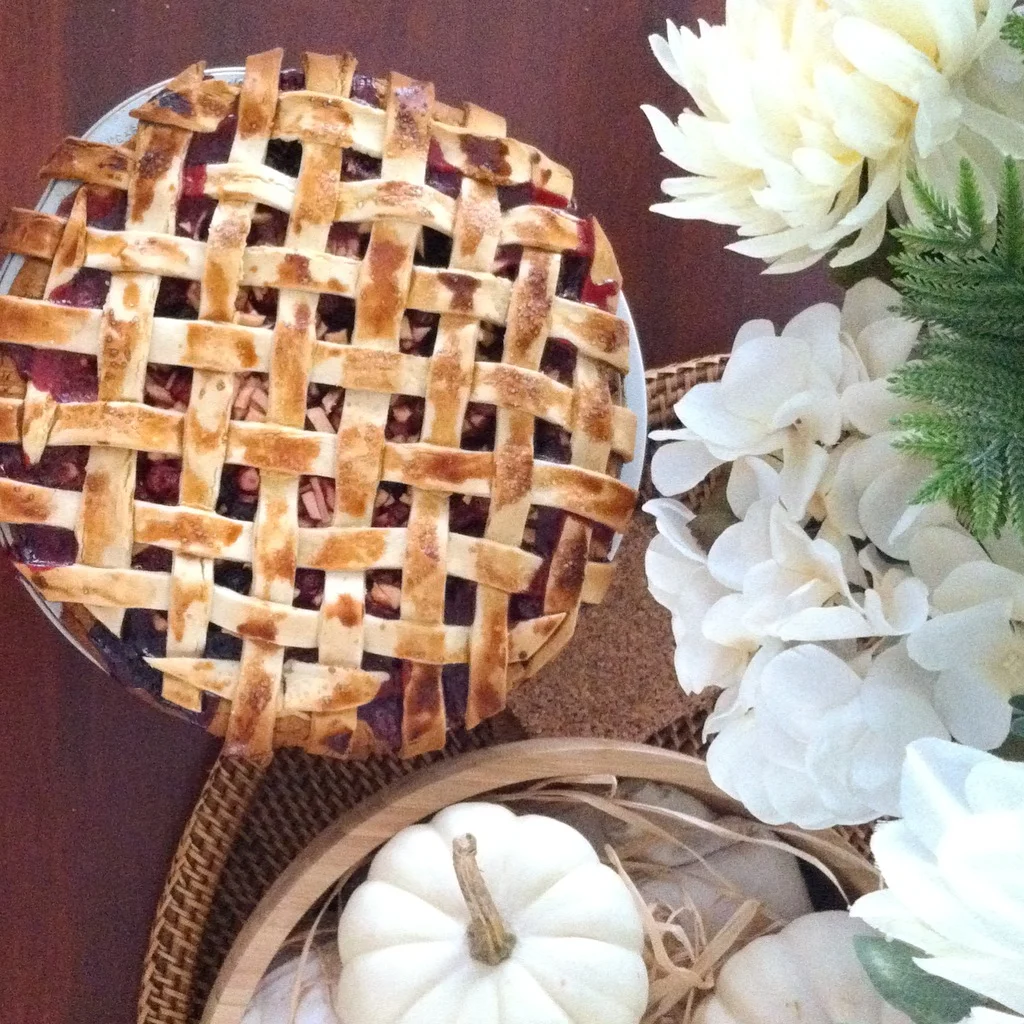
Thankful
Thanksgiving.
It's that time of the year when people seem to become a bit more intentional about counting their blessings and naming things they're thankful for. A time when people gather together from near and far to share a special meal around the table. A time when people google things like "how to cook a turkey" and "watch macy's parade online" (No? Am I the only one?).
Maybe it's the time of year, or maybe it's a response to the chaos of life the past few months, but I find myself needing to take a step back, needing to create space for thankfulness. Eugene Peterson said it best:
"We stop, whether by choice or through circumstance, so that we can be alert and attentive and receptive to what God is doing in and for us, in and for others, on the way. We wait for our souls to catch up with our bodies." -Eugene Peterson, The Jesus Way

8 Valuable Resources for Music Teachers
You can never have too many teaching resources, right?
It seems I'm always looking for a piece of sheet music for this student or a fun concept-based game for that student. I'm also continuously searching for ways to streamline the business side of my teaching with helpful studio management tools, bookkeeping support, and email shortcuts.
Whether you're a studio teacher, K-12 music teacher, or children's choir director, I hope you find at least one thing on this list that's helpful to you!
Here are eight of my favorite resources for music teachers:
Wave Accounting
This all-in-one online accounting system that features free (unlimited) invoicing, ability to accept credit card payments, automatic billing and reminders, accounting support, and more. Wave is the perfect small business tool!

21 Inspirational Quotes for the 21st Century Musician
What does it mean to be a musician in the 21st century?
Steve and I talk about this often. From where we stand, the 21st century requires musicians to be flexible, creative, and versatile, possessing a wide variety of skills that can be used in a wide variety of settings.
Instead of doing just one thing, we (and many of our friends) have built careers doing many different things - teaching, performing, writing/blogging, presenting, directing, and working in arts administration.
Some call it freelancing, others call it music entrepreneurship, or being a portfolio musician or musicpreneur.

The Secrets of Batching in Freelance Work
Do you ever feel overwhelmed by your to-do list? Ever have trouble knowing where to start?
Do you feel like you spend your time flitting from one activity to the next just trying to get everything done and keep all those plates spinning? I feel you. Being a freelancer is tough work and the balancing act of working on many projects at once is no joke.
The solution? Batching.
Described in the book, Getting Things Done, batching is a process of grouping like tasks together and doing them at the same time (source). Batching is great for emails, phone calls, social media, errands, paying bills, planning, cooking, cleaning, and much more.
Think about it: If you need to run to the Post Office, deposit a few checks at the bank, and pick up something quick at the grocery store, would you make three separate trips during the day, or try to run all three errands while you're out? If possible, it probably makes sense to try to get all your errands done in one trip.
Similarly, if you're cooking dinner, would you start sautéing, then file a few loose receipts, then go check the mail? I hope not! When you're cooking, you chop, sauté, stir, serve, and eat, without stopping in the middle to change gears and do something else.
Want to know a few secrets? Here's why batching is the way to go:
Debunking the Myth of the Ideal Day
We talk a lot about our ideal day as if it was a dream world we sometimes like to escape to where there are no alarms, the sun is always shining, you have time to sip your coffee and read in the morning, and you seem to float through the day without cares or obligations or stress.
Sounds too good to be true, right? But really, what makes a day ideal instead of just ordinary?
My answer would probably be time: Time to do the things I want to do, time for things I enjoy, and time to spend with people I love. Feeling like I have time helps me feel more relaxed and rested, it helps me feel in control. And having space in my day makes me feel better about what I do. I'm more engaged and focused and inspired and driven. It all comes back to time management, doesn't it? We all have the same 24 hours in a day - it's all about how we choose to spend it.

3 Tips for Playing Open Score (For Choral Accompanists Everywhere)
As all choral accompanists know, playing from open score is a fact of life. At one point or another, you'll likely find yourself sitting at the keyboard in front of a choral score with no piano reduction, forced to muddle your way through reading four lines of music at the same time. How can you prepare? What can you do to develop this skill?
If you have the opportunity to practice in advance, there are a few things you can do:
1. Practice systematically.
This is probably the most common piece of advice you'll receive, but careful, systematic practice is a helpful first step toward developing this skill and training your eyes to read four lines of music at once. Begin by playing each part individually - soprano and alto parts with your right hand, tenor and bass parts with your left hand.
Once you've played each part, practice them in all 2-part combinations: SA, ST, SB, AT, AB, TB. Again, try to keep SA parts in your right hand and TB parts in your left.

The Most Important Question I Ask In Teaching
As teachers, we ask a lot of questions. But, did you know there are different kinds of questions (or ways of asking questions) that can actually promote learning? A good question does more than assess student learning or mastery of a concept; it can actually foster a deeper level of understanding, open a space for productive dialogue, and promote self-reflection.
This is important because, as music educators, we love nothing more than seeing people learn and grow, as individuals and as musicians.
There are two main types of questions: closed-ended and open-ended.
Here is a bit more about each one:
Closed-Ended Questions
These are questions that have a yes/no answer. This doesn’t promote a lot of deep thinking, as the answer is typically given in the question (e.g. "Is the bottom line of the treble staff an E?") and the learner has a 50/50 chance of getting the answer right. These types of questions work well for younger students when you're comparing things, though I would rephrase the question to, “Were those the same or different?”

How to Build and Run a Successful Piano Studio
On the surface, it might not look like much work, but running a successful private studio means running a small business and there's lots of behind-the-scenes work that happens in between those weekly 30-minute lessons.
Whether you're just getting started, looking to build a studio in a new city, or searching for ways to streamline your process and help the business side of your studio run more efficiently, this post has something for everyone.
Today, I'm sharing ten tips and tricks for building and running a successful piano studio (many of these suggestions are applicable for other music studios, as well!), including ideas and helpful resources, insight into how I run my studio, and a few things I've learned along the way.

15 Singing Games for Children's Choir
Singing games are a great way to teach musical concepts, incorporate movement, and give children an opportunity to sing alone and with others. They're perfect as gathering activities, ice-breakers, or a quick change-of-pace in the middle of rehearsal.
A few months ago, I shared seven fun musical games for children's choir. As a follow-up to that post, I'm rounding up fifteen singing games - some, more suitable for younger singers; others for older elementary; and even a few that your youth choir would love. Most of these are sung in unison, without accompaniment. Also, since movement activities are difficult to describe in writing, I've included video demonstrations for most of these.
Enjoy!

5 Things to Organize in a Church Music Program
As a music director, you wear a lot of hats.
You direct, you play, you email, you plan, you listen, you conduct, you coordinate, etc. Your time is valuable and you know that your rehearsal time is valuable. How can you make sure you're making the most of it? It always helps me to start by getting organized. There's something about crisp file folders, colored pens, pretty charts, and a few fun paper clips that makes me feel more confident, productive, and ready to get to work.
Not sure where to start? Here are five things to organize in your music program to help things run smoothly this year:

I'm Ashley—musician, educator, writer, and entrepreneur. Here, I share creative ideas and practical resources to help you build a successful career as a musician and teacher. Learn more >>

ONLINE COURSES
Develop the skills you need to lead and teach creatively and confidently with mini online training courses and workshops designed specifically for church musicians & music educators. Learn more and enroll >>

Get monthly updates
Get my free, 7-min. monthly newsletter—loved by 23,476+ musicians & educators. Subscribe >>

Listen to the podcast
Practical and pedagogical strategies, teaching
reflections, and insights from the field of music teaching and learning. Listen and subscribe >>

Printable Sheet MUSIC
Original music compositions for handbells, unison/2-part and
SATB choirs, solo piano & chamber instrumental ensembles. Buy now >>

Resource Library
A collection of printables, templates, and workbooks for music educators, piano
teachers, church musicians, and
music entrepreneurs. Browse the library >>