


New! Online Keyboard Skills Class for Church Musicians
Music school is great, but if you want to be a church musician in the 21st century, there are lots of things you're left to figure out on your own - things that simply aren't taught in most schools or private studios.
This includes:
- playing and singing or playing and conducting at the same time
- accompanying and supporting choral and congregational singing
- harmonizing melodies (with and without chord symbols)
- finding cadence points and vamping in the moment
- creating modulations and transposing at sight
- improvising transitions and creating musical underscores
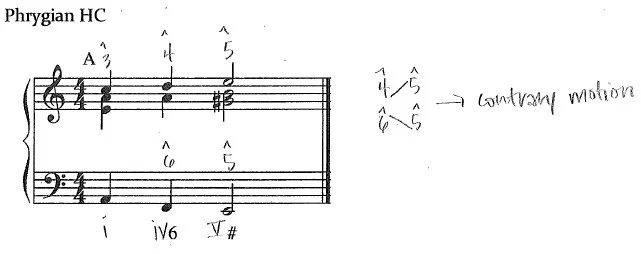
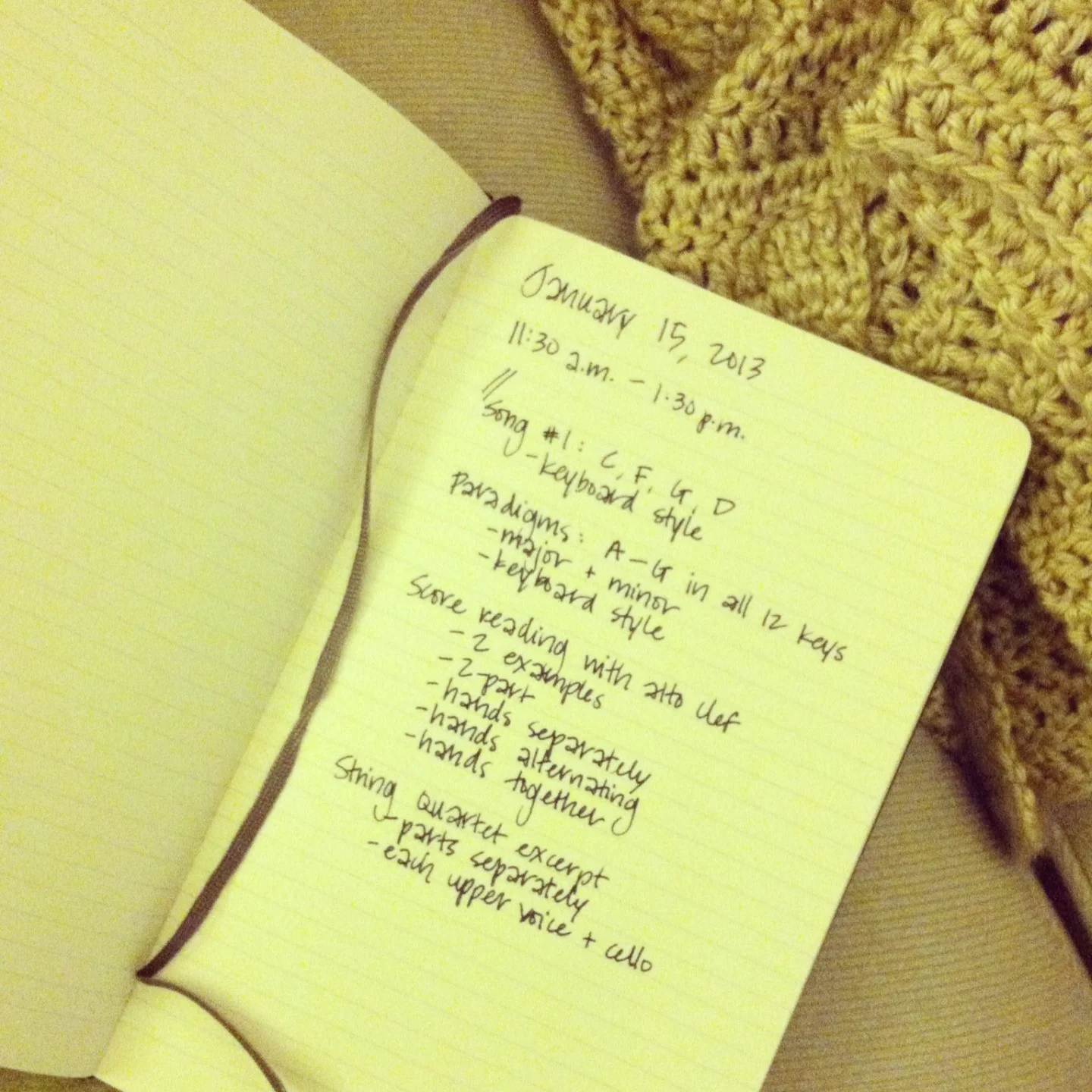
- playing 5-finger patterns in all 24 keys (12 major, 12 minor)
And the list goes on. Where do you start? How do you learn and develop these skills?
If you can relate to any of this, then this course is for you.

Must-Have Skills for the 21st Century Church Musician
I started my first "real" church job when I was 17. It was a small Methodist church in south Georgia with one Sunday morning service, an adult choir of about 12 and a children's choir of about six. I was still learning to play the organ at the time and played most of the service from the upright piano in the front of the church. I dove head-first into worship planning, liturgy, and choir anthems and loved every minute of it.
My next job was as a Music Intern at a large Methodist church in north Georgia. I did administrative work for the children's choir program; accompanied the youth choir and women's choir, and adult choir, on occasion; played hymns and solo music in three weekly services; and substitute taught handbells, children's choir, and children's chime choir. I learned so much and gained so much practical experience during those two years.
Since then, I've served four other congregations as Organist/Accompanist, Music Director, Handbell Director, and now Director of Worship Arts.
All that to say - as church musicians, we wear lots of hats.

Developing Aural Skills in the Piano Studio
Aural skills (also known as ear-training) is a fundamental facet of musicianship. Learning to listen, identify, discern, and understand music without notation present helps develop the inner listening skills needed to become a well-rounded, well-versed musician.
Finding the steady beat
Recognizing strong and weak beats
Discerning meter and tonality
Understanding rhythm and tonal patterns
Recognizing dynamics
Discerning articulation
Feeling interval distances
Understanding cadences
Recognizing chords
Aural skills "help musicians at all levels to become more discerning in they way they play, sing and listen to music" (source).
We all remember those 8 a.m. aural skills classes in college - sight-reading, singing intervals, singing bass lines, spelling chords. But what kinds of aural skills experiences are we giving our students before college? How can we incorporate aural skill activities in our weekly studio lessons

Piano Olympics Festival
Aren’t the Olympics exciting?!
I love how they bring people together – across nations – to recognize and celebrate hard work, excellence, and achievement.
These are things I want to celebrate in my students.
So, inspired by this year’s Winter Olympics and drawing on the five colored rings in the Olympic logo, I created a piano festival based on five key aspects of musicianship:
Blue – Sight-Reading
Gold – Memorization + Performance
Black – Aural Skills (clap-backs, sing-backs, play-backs)
Green – Creativity (improvisation, composition)
Red – Technique

I'm Ashley—musician, educator, writer, and entrepreneur. Here, I share creative ideas and practical resources to help you build a successful career as a musician and teacher. Learn more >>

ONLINE COURSES
Develop the skills you need to lead and teach creatively and confidently with mini online training courses and workshops designed specifically for church musicians & music educators. Learn more and enroll >>

Get monthly updates
Get my free, 7-min. monthly newsletter—loved by 23,476+ musicians & educators. Subscribe >>

Listen to the podcast
Practical and pedagogical strategies, teaching
reflections, and insights from the field of music teaching and learning. Listen and subscribe >>

Printable Sheet MUSIC
Original music compositions for handbells, unison/2-part and
SATB choirs, solo piano & chamber instrumental ensembles. Buy now >>

Resource Library
A collection of printables, templates, and workbooks for music educators, piano
teachers, church musicians, and
music entrepreneurs. Browse the library >>