
What I'm Learning About Harmony
February 2026A few weeks ago, we gathered in front of our television sets to watch the Olympic Opening Ceremonies in Milan, Italy.
The 2026 theme “Armonia (Harmony)” reflected several dimensions: city and mountain, man and nature, classical and contemporary. Overall, it spoke to the complexity of the world and offered a message of unity and peace:
“[Celebrating] a world where differences inspire dialogue—and beauty.”
Primary colors expanding into a full spectrum, costumes that crossed into fashion, a mix of musical styles. Moments that seemed chaotic and free but that fit within a larger form.
We’re very familiar with harmony in the music world: It’s the chordal structure or architecture of a piece; the roots that ground us. It lies beneath the surface, but it holds everything together, shaping and informing where the music goes and what it becomes.
When I talk about this with my students, I often say harmony iscontext: It brings a renewed sense of purpose to each individual part.
Middle C could be the root in C major, the 5th in F major, the 3rd in A minor, or the 7th in a D7 chord pulling us to G major. It could be part of a 4-3 suspension, resolving to B, or a flat-seven in D Dorian.
We need harmony to tell us what it means and how it all fits together.
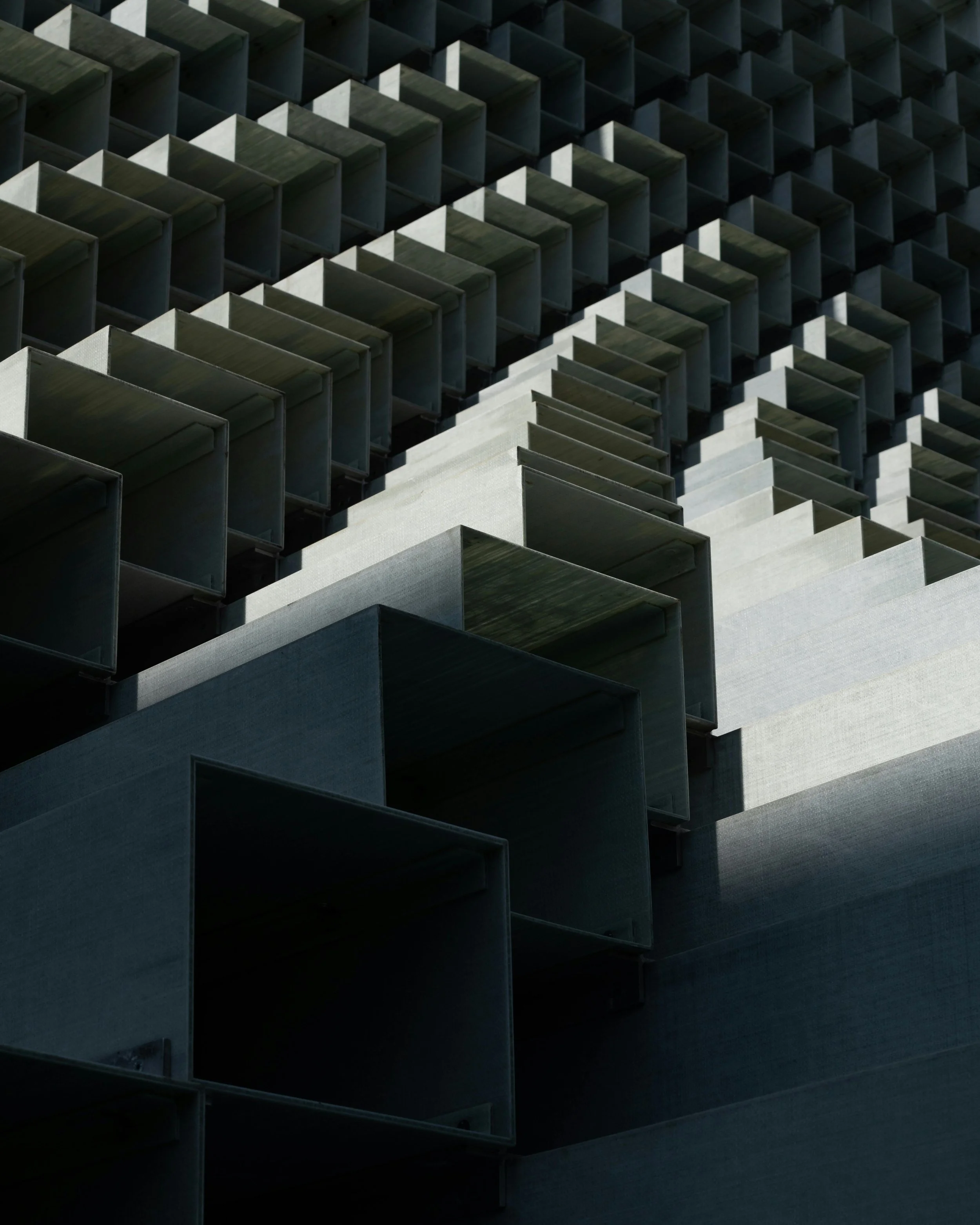
Designer and author Ingrid Fettell Lee describes harmony as order and symmetry, created through balance, rhythm, and patterns. It’s color and shape, line and texture, depth and dimension working in complement with one another. A bouquet—a symphony—of colors and sounds, creating a sense of cohesion and stability.
I had a studio class a few weeks ago with three intermediate students. We were listening to and comparing several solo piano pieces inspired by Winter: Debussy’s “The Snow Is Dancing,” Fanny Mendelssohn’s “February,” “Skating in Central Park” by Bill Evans, and “Winter Light” by Ola Gjeilo. This last one became a jumping-off point for a group improvisation. I analyzed the harmony as they played:
Gm add 4, then add flat-6
Fmaj add 4
Bbmaj9
Ebmaj9
Every chord has something added, something that doesn’t fit the traditional triad or seventh chord construction. In music, we call that color. But it’s also a good reminder that sometimes adding something that doesn’t seem to belong makes the moment even more beautiful.
I learned recently that harmony comes from the Greek word harmos, meaning “joint”—an intersection, a point of coming together. And that’s what the Olympics represent: The juxtaposition of challenge and triumph, beauty and strength, time and space, past and present. And for a moment, we’re all caught up in it. That’s when we remember it’s bigger than all of us.
Harmony is more than elements that are in agreement. It’s consonance and dissonance, momentum and a moment frozen in time. Ultimately, it’s how we connect and relate to one another, in spite of our differences.
Harmony is context—and there’s room for all of us.