
9 Pieces for the Intermediate Handbell Choir

Over the years, I’ve written several posts geared toward smaller, beginning handbell choirs:
If you play 3-6-octave handbell music and are looking for repertoire that offers your ringers a good challenge (and a variety of special techniques!), this post is for you.
Today, I’m sharing nine pieces (Level 2+ and up) specifically written for intermediate-level handbell groups. There’s something for every season—I hope you find something you love to take back to your bell choir this year.
9 Pieces for the Intermediate Handbell Choir
*Disclosure: I get commissions for purchases made through links in this post.
Advent & ChristmasKeep Your Lamps (Trimmed and Burning) (arr. Michael Glasgow)
3-6-octave Handbells + 3-octave Handchimes
Level 3
A creative setting of this African-American spiritual (with a bass line drawn from “Elijah Rock”) that would work well during Advent.
Fantasy on “Greensleeves” (What Child Is This?) (arr. Michael Coe)
3-5-octave handbells
Level 3
Marked by lyricism, intricate texture, a steady pulse, and warm harmonies, this setting of Greensleeves would be a wonderful choice for Advent.
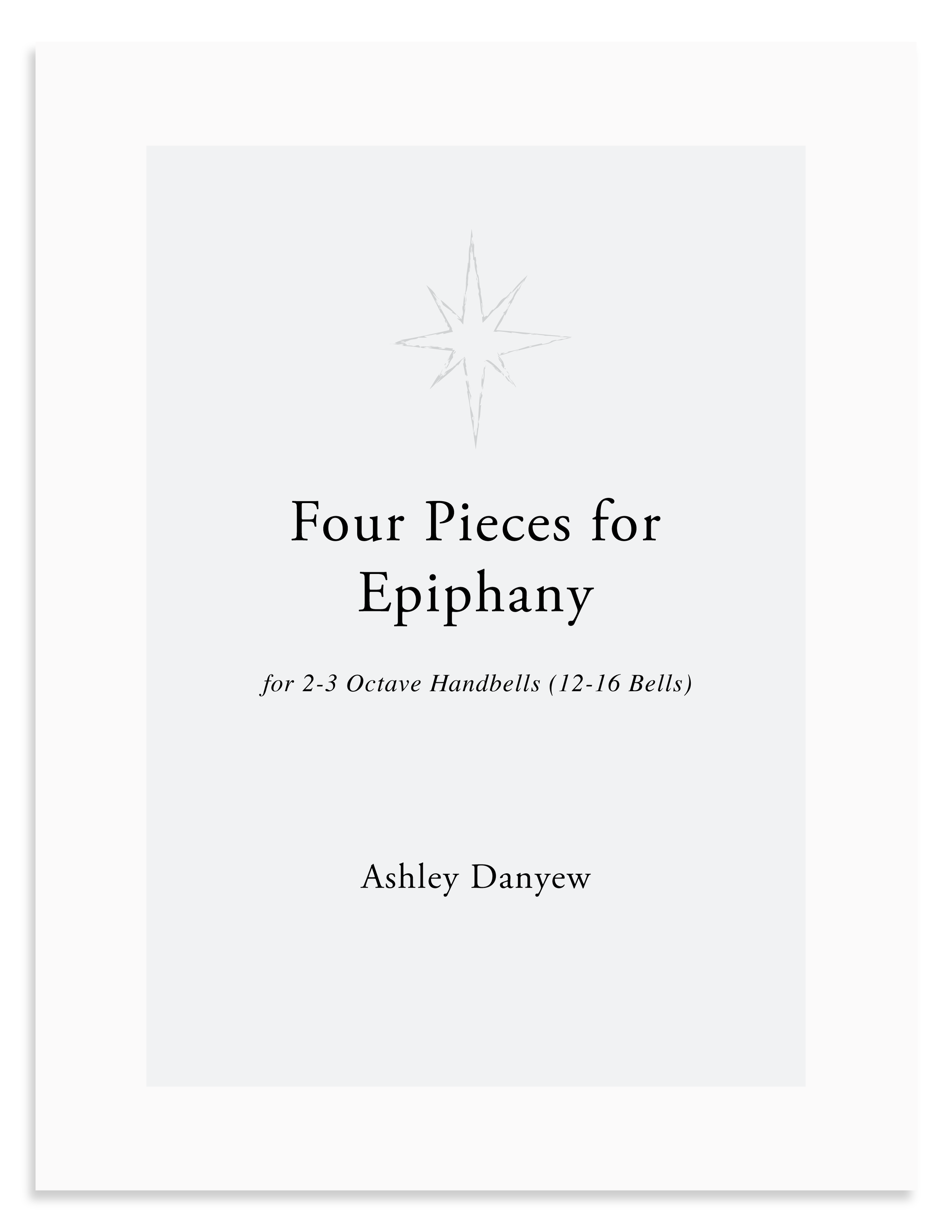
EpiphanyI Wonder As I Wander (arr. Arnold Sherman)
3-5-octave handbells + opt. 3-5-octave handchimes
Level 3
A simple, haunting opening presents the familiar Appalachian tune against a backdrop of malletted suspended bells to create a “twinkling” effect. The piece gives way to a fuller, richer section with rich harmonies and flowing accompaniment before drawing to a quiet close.
Looking for Level 1 & 2 handbell pieces?
Take a look at these reproducible collections:




Lent & EasterGive Me Jesus (arr. Anna Laura Page)
3-5-octave handbells + opt. 2-octave handchimes
Level 3
A reverent setting of this traditional spiritual paired with “I Want Jesus to Walk With Me.” Bright harmonies and a gentle accompaniment make this an appropriate choice for the beginning or middle of the service. Watch a live performance here.
Thine is the Glory (George F. Handel/arr. Cynthia Dobrinski)
3-6-octave handbells
Level 2+
A joyful pairing of two upbeat hymn tunes: Maccabeaus (“Thine Is the Glory”) and Azmon (“O For a Thousand Tongues”). A great choice for Easter Sunday or the season that follows.
PentecostO Day Full of Grace (arr. Ron Mallory)
3-6-octave handbells + opt. 3-6-octave handchimes and percussion
Level 3
A trio of percussion instruments (tambourine, triangle, and wind chimes) adds a fun, rhythmic element to this setting of a less familiar hymn tune. A contrasting minor section provides melodic and harmonic interest. Read the hymn lyrics here.
Ordinary TimeBe Thou My Vision (arr. Cynthia Dobrinski)
3-6 octave handbells + opt. 3-octave handchimes
Level 3
A harmonically rich setting of this well-known hymn. The arrangement begins simply, building to a full climax with beautiful tone colors throughout. The middle verse is marked by the melody in the low bells with upper chime accompaniment.
Praise to the Lord, the Almighty (Sandra Eithun)
3-5-octave handbells
Level 2
A good choice for a group with mixed skill levels or limited rehearsal time. Featuring an upbeat opening, LV passages, mallets, and dynamic changes, this arrangements is easy to put together with limited bell changes and predictable rhythms.
ThanksgivingWe Gather Together (arr. Joel Raney)
3-5-octave handbells + opt. 3-5-octave handchimes
Level 3
A jazz-infused setting of this traditional Thanksgiving hymn with gentle syncopations, an ornamented melody, and fresh harmonic colors throughout. The handchimes add a beautiful tone color to the opening and closing sections.
I’d love to hear from you:
Which one is your favorite? Any other intermediate pieces your bell choir loves? Leave them below in the comments.





![Handbell Notation Guide [Infographic]](https://images.squarespace-cdn.com/content/v1/585c710603596e2c47dad93e/1491403915874-P2UH6FM8J1W1HM4UWP17/Handbell+Notation+Guide-02.png)


![The Joy of Children's Handbell Choirs [Video]](https://images.squarespace-cdn.com/content/v1/585c710603596e2c47dad93e/1482458472572-UQOTZ604Q6UKSIBZVYEZ/image-asset.png)




Handbell choirs are a wonderful opportunity for community, creativity, and collaboration. And starting a new group is much less intimidating than you might think.
Whether you’re a church musician, a classroom teacher, or a community music director, you can bring people together to make beautiful music—even if they’re mostly beginners. The key is choosing flexible repertoire, using thoughtful teaching strategies, and creating a welcoming, supportive learning environment for all.