
A Holiday Sale!
It’s the most wonderful time of the year:
Christmas music on repeat (currently listening to Brooklyn Duo Christmas), Thanksgiving dinner with all our favorites (pass the cranberry sauce, please!), and a cozy weekend in, snagging all the best online deals.
I’m thrilled to be hosting my first-ever holiday sale this week—starting now! I put together three exclusive holiday bundles for you, available for a limited time only.
Here’s a look at what’s included in the holiday sale:


For easy browsing later, download the 2018 Holiday Sale Guide here.🎄
In closing, I want to say thank you. Thanks for reading and commenting, for the virtual high-fives and all the support you’ve given me this year. I’m so grateful for you!
Happiest of holidays to you and yours!

It’s back-to-school season, which means it’s time for all things Fall, new school supplies, and the start of a new academic year.
If you’re a planner like me and like things to be organized, you probably spent some time this summer cleaning out folders and boxes, straightening up counters and rearranging chairs, getting the piano tuned, and planning music for the Fall semester.
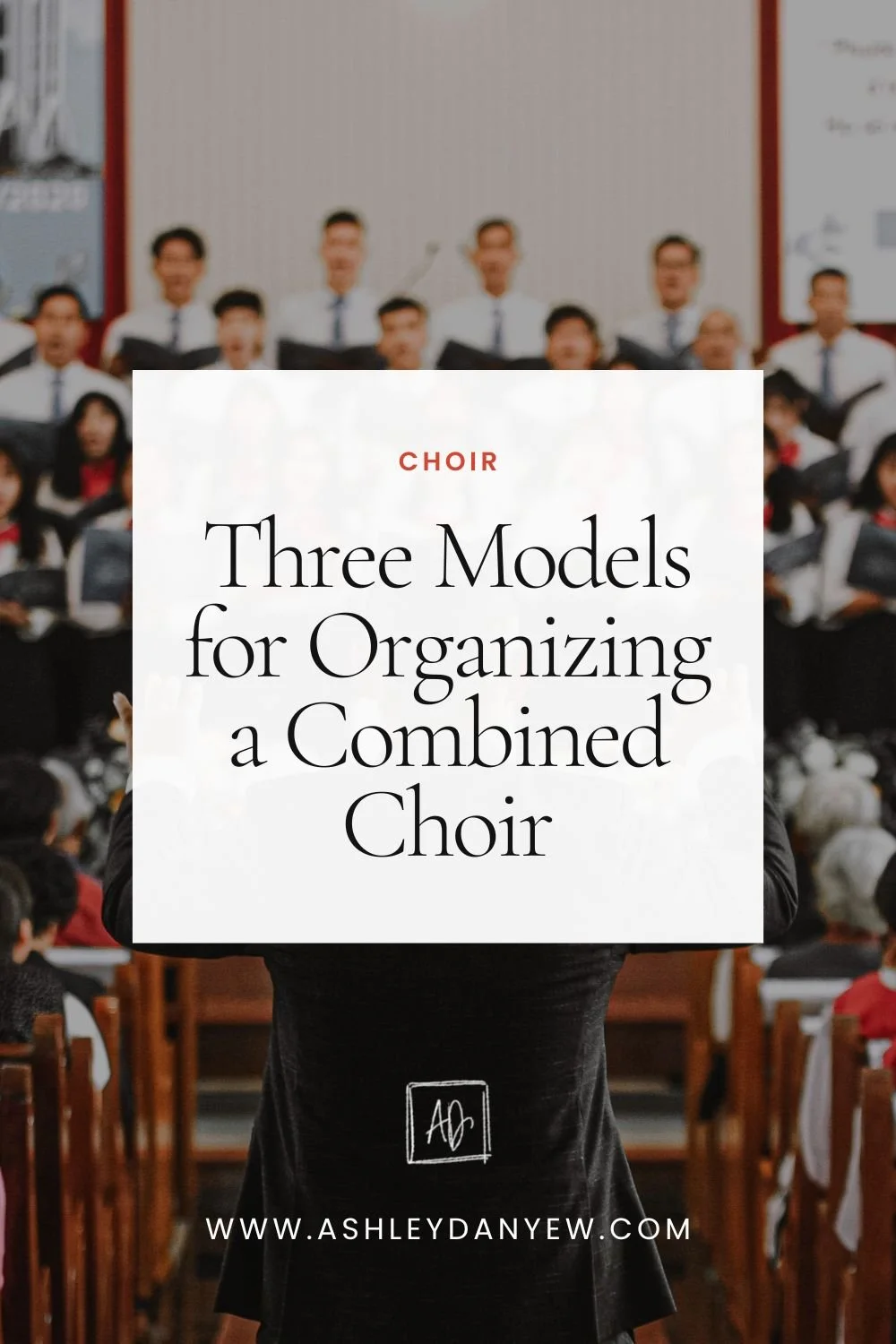
Choir is a meaningful way to build community, promote unity, and bring people together.
Whether you direct a community choir, a church choir, or work with a professional choir, combining with other groups can be a memorable, enriching musical experience for all involved. It's also a practical way to expand what's possible on a concert program: more voices, more opportunities for divisi, and a bigger sound than one group could create on their own.

We have this need to always be in motion: a steady progression of events that provide shape and structure, color and interest, tension and stability—the architecture of our days.
There’s comfort in this. Safety, perhaps: It’s predictable, reliable, and consistent. It’s manageable. We label it “drive” or “motivation”; call it a sense of responsibility, a commitment to excellence. The perpetual motion makes us feel productive and busy—important, even. Always moving toward something, but also away from something at the same time.
And that’s where we find it, the breathing room.
When was the last time you sat down at your instrument and played music for fun? I mean, not music you had to practice or prepare, not your students’ repertoire, not music for your next rehearsal, but music you chose to play for yourself, for your own enjoyment?
As professionals, we don’t often make time for this. We assume that all the music we’re being paid to learn and practice will also count as the musical satisfaction we need to keep going in our career.
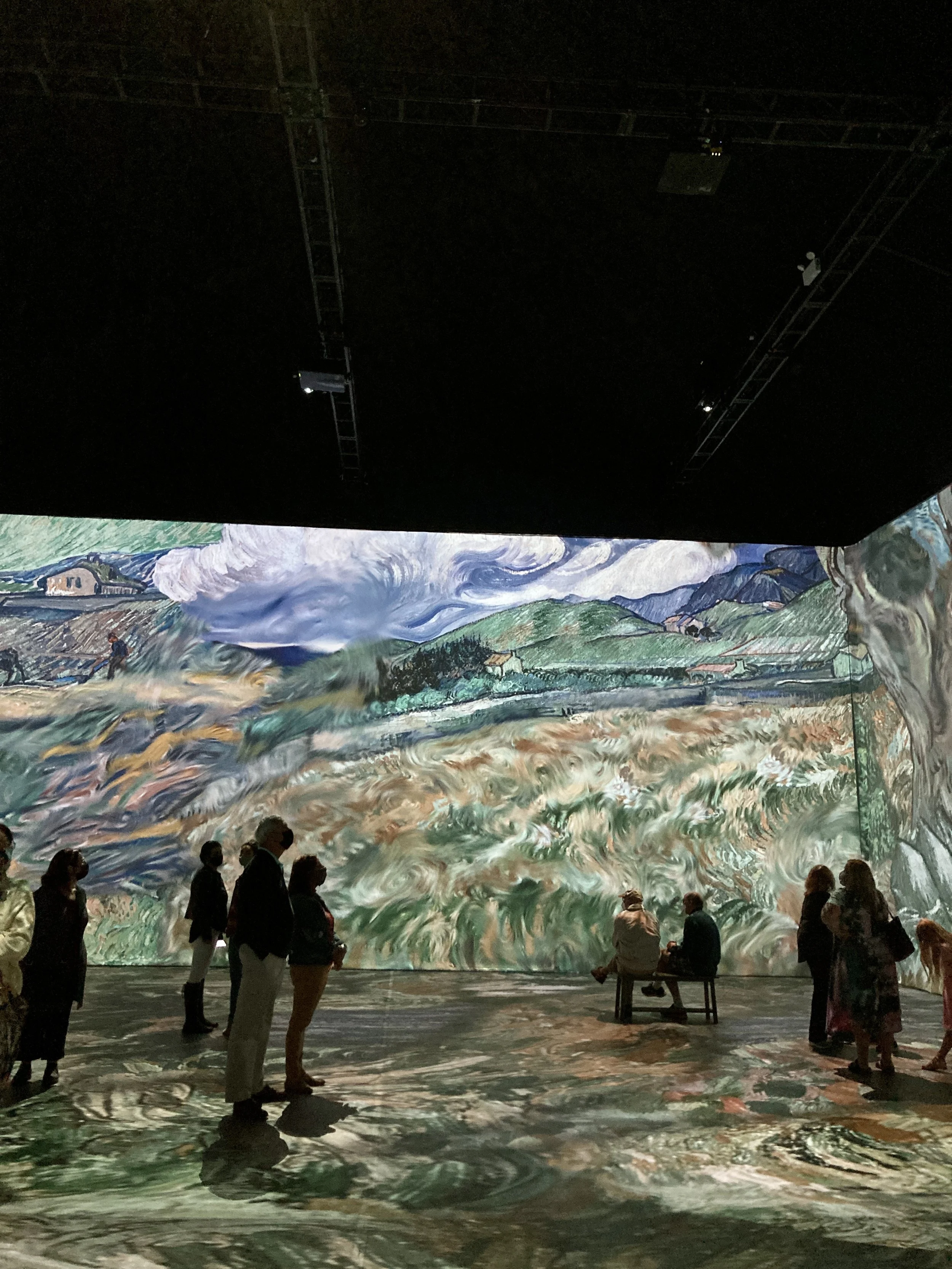
Art becomes you.
The way your fingers spontaneously drum on the steering wheel while a Mozart symphony plays on the radio. The unexpected lyricism of a line in a novel that causes you to pause and reread. How you carry the notes of a familiar piece with you, tied to the rhythm of your footsteps on the pavement.
Art is more than what you do; it’s a way of being.

This time of year has me thinking about change, growth, and new horizons. The culmination of another school year, moving-up ceremonies, and friends announcing new jobs. “Every recital is a milestone,” I wrote to my studio families last week (for teachers, too, I didn’t say).
There’s an unspoken acknowledgment in this: Chapters ending and beginning, grappling with ambiguity, hope, and the ache of uncertainty.
Voice change occurs in all voices, and it’s important to find ways to encourage and support your singers throughout the process (and keep them singing).
As a middle or high school choir director, you need to know what to look for, how to evaluate your singers, and how to support and encourage them throughout the process.
Considered one of the leading authorities on this topic, Cooksey outlined five stages of vocal change and transformation in the adolescent male voice:
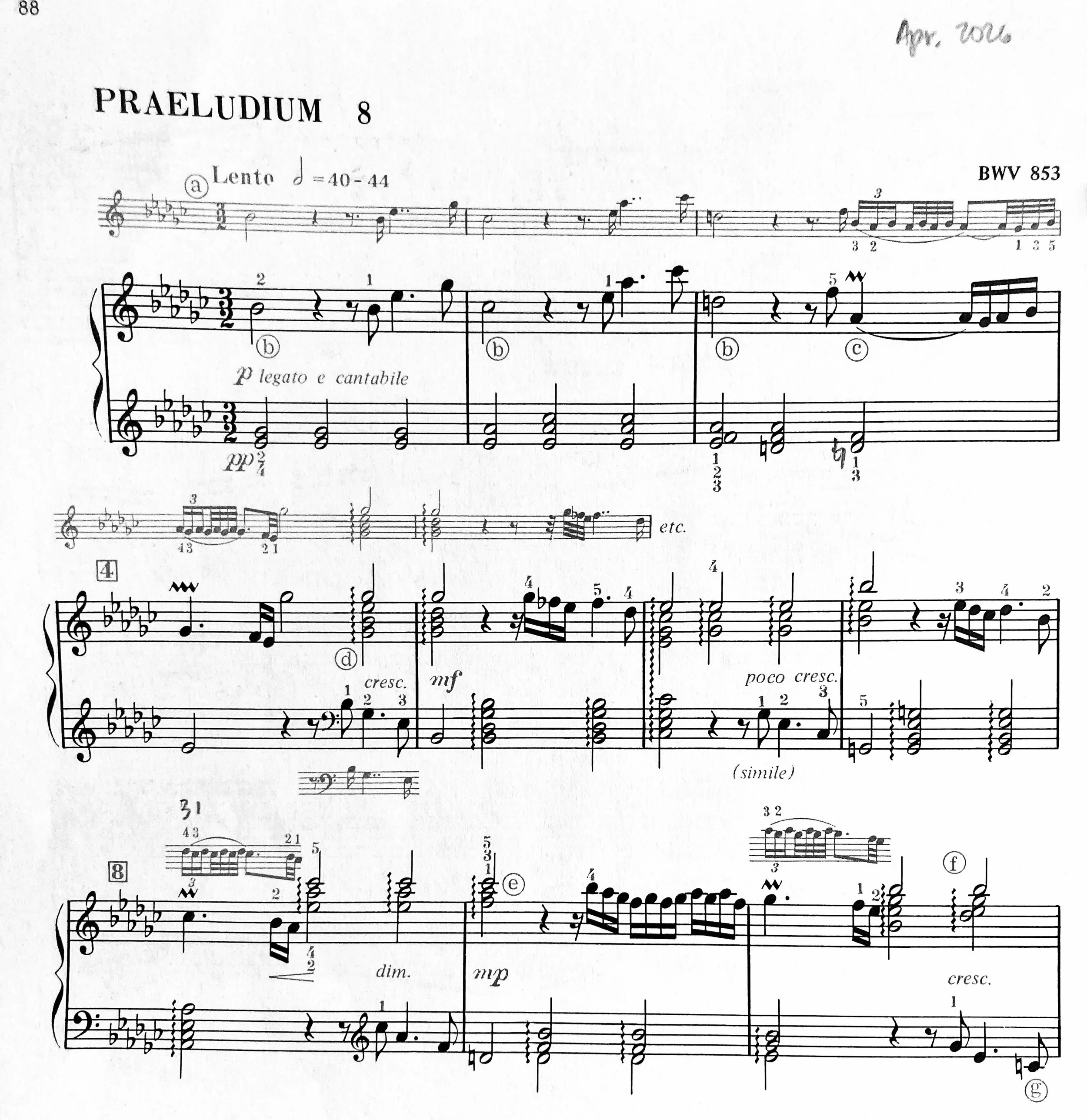
I’m working on the Bach Prelude & Fugue No. 8 in E-flat Minor this month (part of my year-long commitment to learn one prelude and fugue from Well-Tempered Clavier, Book 1 each month).
The prelude starts with a simple blocked-chord motif (i-iv-vii°-i) in the middle register, underscoring a song-like melody. It’s written in cantilena style, which is similar to a vocalise.

It was 70 degrees last week, and then it snowed. March is funny like that. I’m reminded of Emily Dickinson’s poem, “Dear March, Come In” (do you know Copland’s setting?).
“Oh March, Come right upstairs with me—
I have so much to tell—
I got your Letter, and the Birds—”

Piano duets are one of the most enjoyable ways to make music with another person—whether you're adding something special to a worship service, planning a studio recital or informance, or just looking for an excuse to sit down at the piano and play with a friend or student.
In my experience, most piano students love the chance to perform together, and even small churches have at least one person in the congregation with some playing experience. Often, people just need to be asked and invited to participate.
If you're like me, you first learned solfege from Julie Andrews in The Sound of Music. This 1965 classic is still beloved today—it's a favorite among my elementary piano students!
Solfege is a useful tool for developing sight-singing and music-reading skills. It’s beneficial for teaching ear-training, harmonic function, and tonal relationships. It also promotes good vowels when singing, as each solfege syllable is a pure vowel sound.

A few weeks ago, we gathered in front of our television sets to watch the Olympic Opening Ceremonies in Milan, Italy.
The 2026 theme “Armonia (Harmony)” reflected several dimensions: city and mountain, man and nature, classical and contemporary. Overall, it spoke to the complexity of the world and offered a message of unity and peace, “[Celebrating] a world where differences inspire dialogue—and beauty.”
Primary colors expanding into a full spectrum, costumes that crossed into fashion, a mix of musical styles. Moments that seemed chaotic and free but that fit within a larger structure.
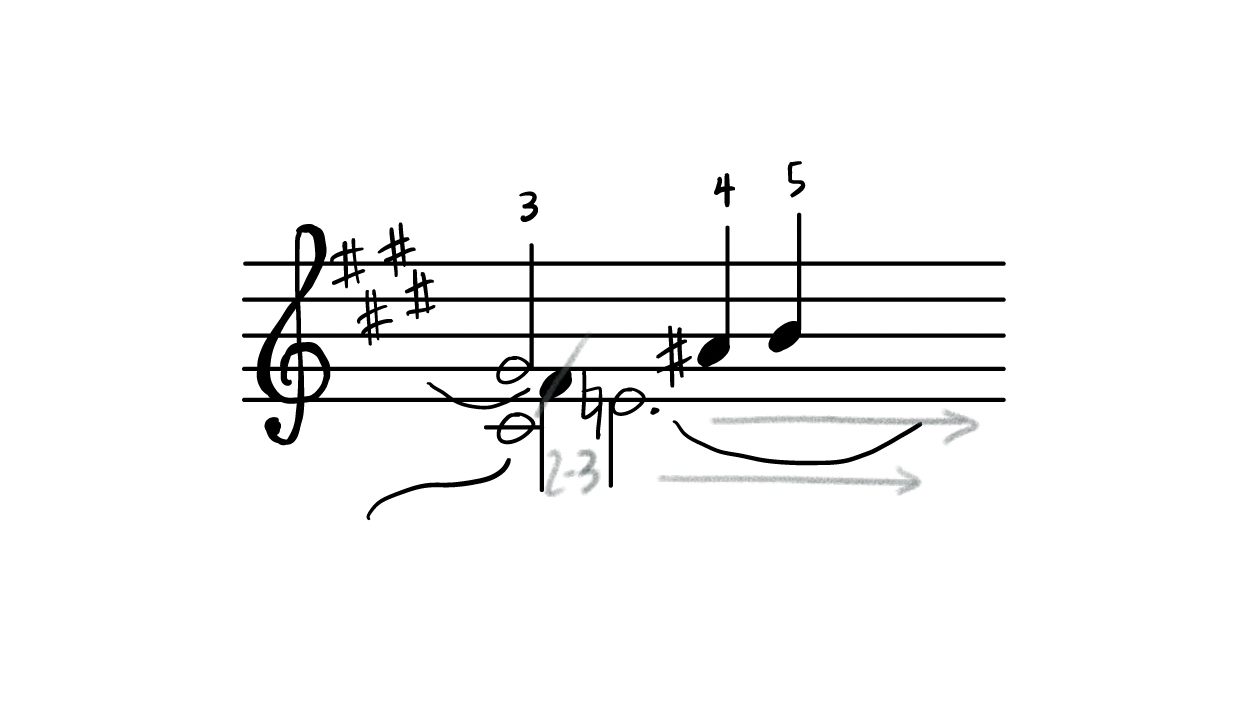
It’s 9 a.m. and I’m practicing Bach: the Fugue No. 4 in C-Sharp Minor.
The subject starts soft and low, with long, ponderous notes that feel more like a harmonic outline than a melody. But soon it evolves into a tapestry of musical lines moving at four different speeds.
(Here's my version, recorded in my living room.)
A collection of pencil markings from a month of practice are scattered across the pages: finger substitutions, circles, slashes, and arrows propelling the sound forward. Highlighting musical texture like topography on a map. Ties drawn like suspension bridges, measure across measure.
The phrase score-study takes me right back to music history at 8 a.m. on Wednesdays (you, too?). Grout anthology in one hand, class notes in another, marking cadences and phrase structure and German augmented sixth chords.
Don’t worry—I’m not suggesting you analyze your ensemble music quite to that degree. However, the practice of studying a score—before teaching, rehearsing, or performing the piece has its merits.

I love starting the New Year with a new reading list.
It’s my tradition here on the blog to share my book list in January: this year, I’m planning to read a mix of novels, personal & intellectual books, nonfiction & memoir, and a couple of business books to balance things out.
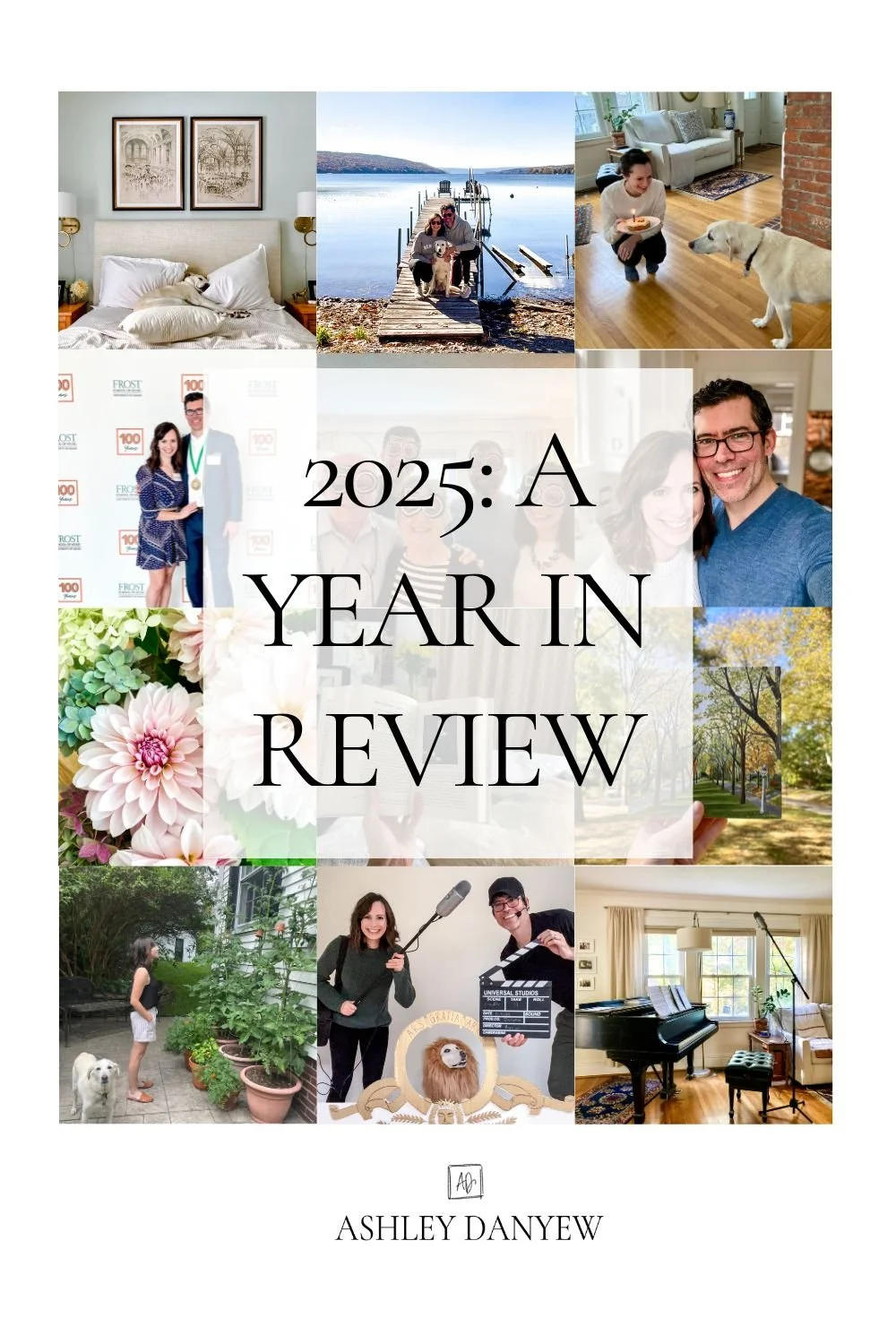
Happy New Year's Eve!
It’s my tradition here on the blog to share a year-in-review post on December 31—a look back on the highlights and the things we learned, made, and experienced during the year.
I’m grateful for another full year of life, music, and adventures, but I also want to acknowledge that it's been a hard year for all of us. Looking ahead to 2026, we all have an important role to play—let's make it count.
Here's a look back on our year:
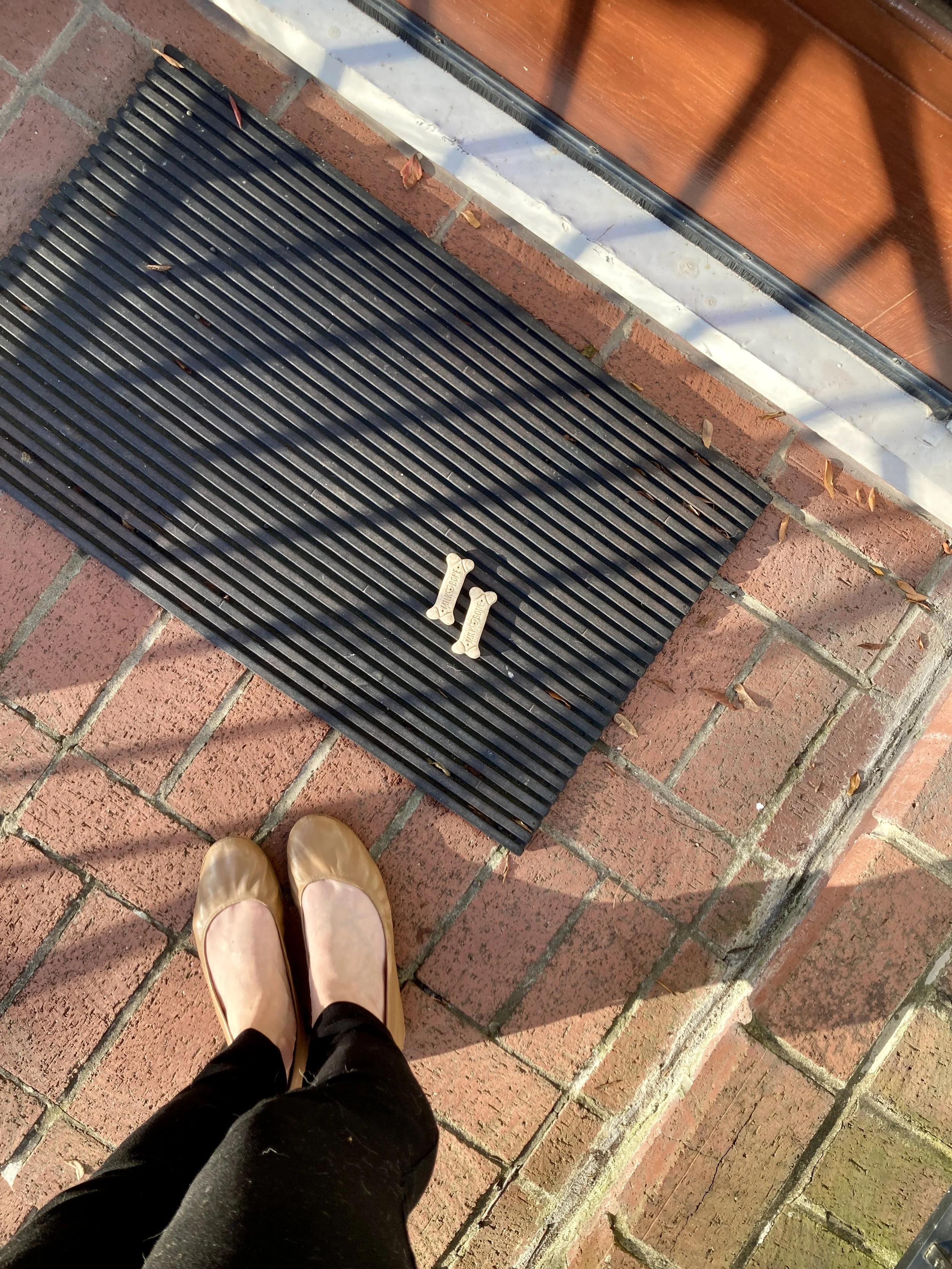
I’ve been told our neighborhood is one of the hardest mail routes in the city.
Here, the mail carriers deliver mail on foot, climbing up the hill to each house to leave bundles of letters folded in a metal box attached to the house, slipped in a mail slot, or—my favorite—tucked inside the old wooden milk door.
This is how we met, Marissa, our mail carrier.
A few months back, we were out on a walk, as we do every day after lunch. We saw Marissa on her route, a loop of even footsteps like stitches in a quilt as she visited house by house along our street. Rory, our 10-year-old lab-greyhound, ran up to greet her, and to her delight, Marissa pulled out a full-size Milk Bone from her navy mailbag.
December is my favorite time to reflect on my reading life.
I love hearing what other people read, reviewing everything I read this year, and making my annual book list for the coming year.
This year, I read 26 books on a variety of topics: novels to business and leadership, psychology to memoirs to the arts. Some were on my reading list, some I discovered in Libby (the library app), and some came recommended by friends.

It was Thursday.
My 2nd-grade student stood at the piano next to me, his hand on the white keys in the upper register. We were improvising in minor—coming up with patterns and musical ideas. He played C-B-A spontaneously and it caught his attention.
“My ears were looking, but not my eyes!” he said with pride and amazement, tipping his ear toward the keys. His sandy brown hair fell across his blue eyes as he replayed the pattern.
What if we listened with our eyes and saw with our ears?
Advent is a season of hope, patience, expectation, and waiting. A reminder that light follows darkness; we cannot have one without the other. This is why I love Advent calendars—a tangible way to count the days of December and hold on to hope.
Whether you’re counting down to Christmas, Winter Break, or the end of concert season, an Advent calendar can offer a new rhythm or structure to your days. For busy musicians, it’s a simple way to pause and take in one small moment of reflection, joy, or nostalgia.

The 4th graders wrote poems about identity last month.
Inspired by George Ella Lyon, they typed their own “Where I'm From” poem, line by line:
“I am from my grandparents’ pear tree, whose lovely branches are always loaded with pears.”
“I am from jazz with its lively beat.”
“I am from those moments when I am full of wonder.”
I stood in front of the bulletin board, reading them in between lessons—each one describing a world shaped by unique experiences, influences, and values. It’s what we represent in the world.

Making progress, learning, improving. A sense of accomplishment and achievement.
Whether you’re leading a choir, chamber group, studio class, or classroom ensemble, you know what a good rehearsal feels like—focused, efficient, and productive.
There’s energy and momentum and everyone’s engaged and working together.

It happens every year.
The change in season invites a change in routine. So we shift back into our brisk fall rhythms, penciling in commitments and activities in every calendar square, [seasonally-appropriate] coffee in hand.
We push uncertainty to the edges as the margins close in. After all, there’s energy and excitement in the rush of being busy.
So we let the adrenaline carry us, floating through life just a little faster than before. The scenery blurring—a wash of colors, sounds, and ideas.
The world feels like it's spinning with reckless abandon right now, and we're stuck on the carousel*.* The organ playing “The Organ Grinder's Serenade” on repeat as we go round and round.
Faster, faster.
Call and response is a form of musical dialogue: Someone sings or plays a musical phrase, and someone else (or a group of people) responds, either echoing the phrase back or providing a musical answer.
Call and response stems from a variety of musical traditions, including African, Cuban, folk, and early church music (think cantor and congregation). (source)
Call and response can be a useful teaching tool, as it gives young children an opportunity to listen, imitate, explore the voice, and gain confidence in their singing.
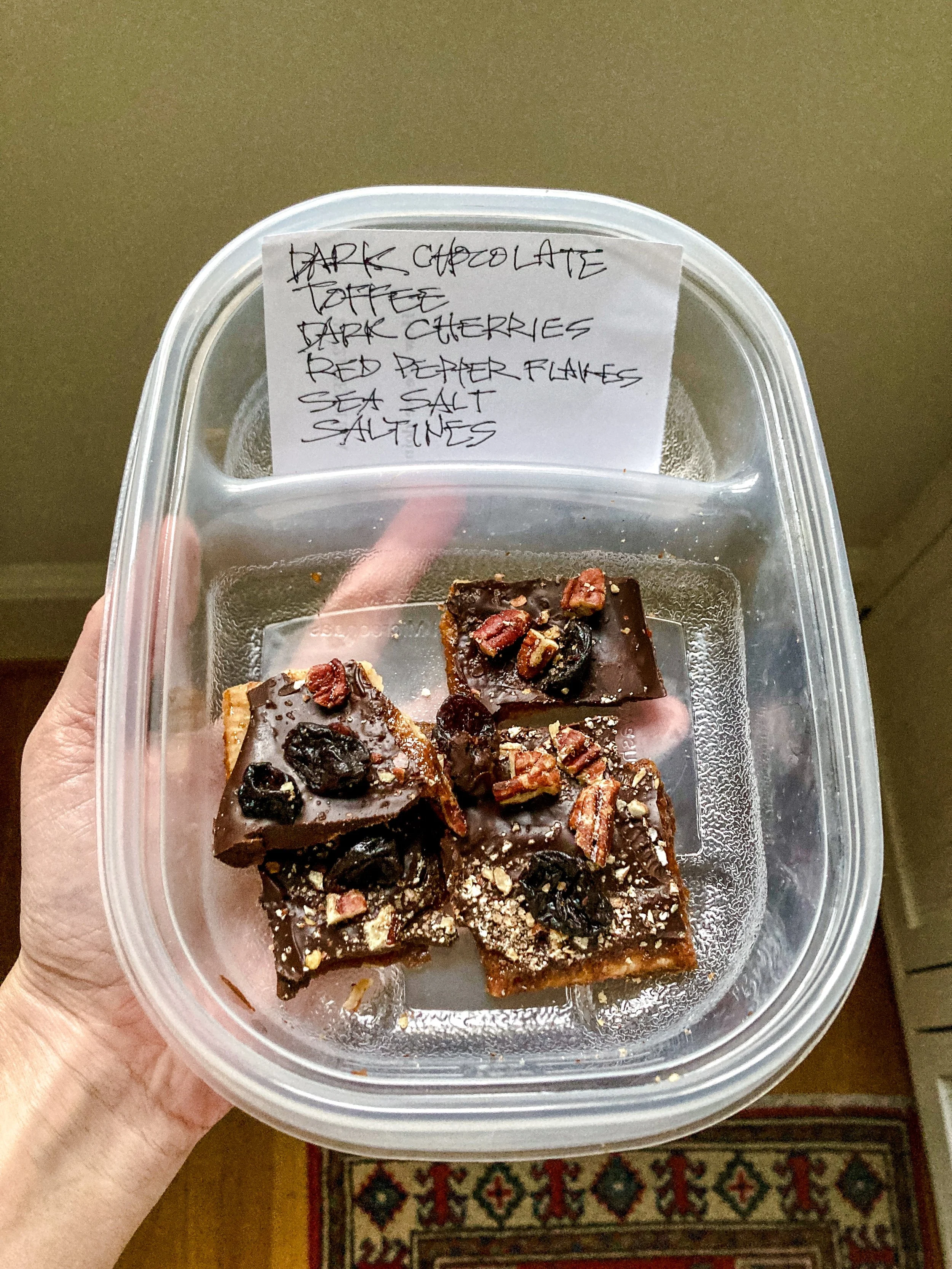
It started in June, with the carrot cake.
A rectangle of spice cake in the larger half of the Tupperware and a few spoonfuls of sugar glaze in the smaller side. Leftover from a birthday celebration across the street—the first year without the person they were celebrating. “I saved you a piece,” he said simply.
A few weeks later, I returned the Tupperware with a wedge of peach cake—vanilla cake with sugared peaches in the middle and on top.
“It’s a Southern tradition,” I said, standing on the doorstep and squinting up at him in the evening light. “Never bring back an empty container.”
Who doesn't love a Christmas party in September (even if it’s still shorts weather)?!
A Christmas choir party is a fun and festive way to welcome new members, build community, and generate excitement for the season ahead. Whether you're leading a church choir, community chorus, or small ensemble, this kind of event sets a warm, enthusiastic tone for the year and offers your choir members a sneak peek of what's to come.

It was Wednesday, 5:05 p.m.
I propped up the lid of the old 1927 Steinway in the school theater and turned to face a small group of 3rd graders, sitting in the red cloth chairs, munching on pretzel sticks, piano books resting on their laps.
It was our final studio class of the year—the one where we practice performing our recital pieces.
“Before we play today, I want to talk about three things that every musical performance needs,” I said. Hands shot up in the air without hesitation.
“I know, I know,” one student said. “You need an audience.”
“Yes, that’s true,” I said, “But I’m thinking more about things you can bring to the performance.”
Handbell choirs are a wonderful opportunity for community, creativity, and collaboration. And starting a new group is much less intimidating than you might think.
Whether you’re a church musician, a classroom teacher, or a community music director, you can bring people together to make beautiful music—even if they’re mostly beginners. The key is choosing flexible repertoire, using thoughtful teaching strategies, and creating a welcoming, supportive learning environment for all.
We started watching a new show last week—one of those detective + unlikely partner stories. (You know, like Numb3rs, The Mentalist, Monk, Psych, Castle…)
In this show, Cole is the rule-following detective. Max is the “wild card”—a charismatic con woman on probation. They solve a new case in every episode, tied up with a neat little bow (juuust what I need before bed).
In this particular episode, in the middle of a complicated murder investigation, Max cracks open a fortune cookie and unfolds the white slip of paper inside.

“Hey Stan,” I said, leaning into the open office door.
He wore a light blue Oxford shirt, grey sweater vest, and khakis, his shoulders hunched as he typed on his laptop.
“I’m looking for a pencil with an eraser,” I said with a look of slight desperation, holding up a page of sheet music. I leaned over the baby gate in the doorway to pet Stella the pug, who got up from her plush bed and waddled over to greet me. He stood and turned in one motion (the room no bigger than a walk-in closet) and rustled through a mug of pencils, points down, all with plush pink erasers.